Distina Winery
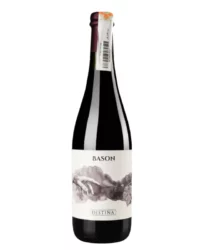
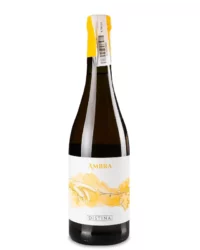
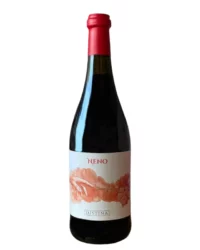
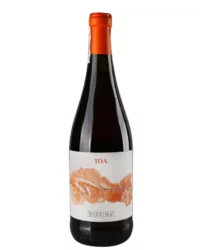
Cantina Distina born in Bacedasco Alto, a hamlet of Castell’Arquato (PC), from the combination of two words: distillery and cellar, highlighting the processes of distillation and grape cultivation and winemaking. This gave life and soul to a closed-cycle project by Claudio Campaner, who had gained experience working with the renowned master distiller Capovilla.
The year 2017 marked a turning point when the time was ripe to make use of the vineyard acquired a few years earlier in 1980. This vineyard is located at an altitude of 250 meters on clayey soils with a south-eastern exposure. The grape varieties cultivated in this small piece of land strictly adhere to local tradition: Bonarda, Barbera, Moscato Bianco, Marsanne, and Malvasia di Candia Aromatica.
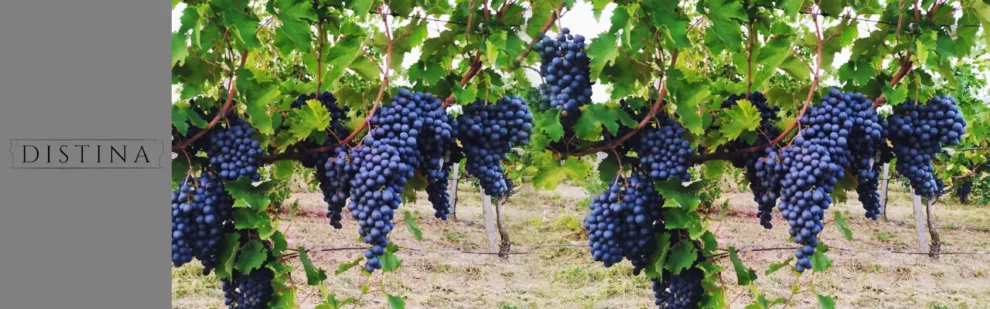
To the original vineyard, a second rented plot has been added, resulting in a total vineyard area of 3 hectares, yielding 7,500 bottles of wine. The only way to obtain grapes with great vitality and identity is through a management approach that follows the principles of nature. In the vineyard, all operations are done manually, with no synthetic products used, and biodiversity is encouraged by allowing the ground between the rows to remain fully vegetated.
Hand harvesting in crates, spontaneous fermentations, and skin macerations of varying duration are employed in winemaking. The grape pomace from maceration is later recovered after racking for distillation and then used to fertilize the vineyard soil. Neutral containers made of concrete and fiberglass are used to avoid adding any exogenous characteristics that do not originally belong to the grapes.
In summary, there is no interference in the natural process of must transformation, and no filtration, stabilization, or clarification is applied during the winemaking process.
Cantina Distina born in Bacedasco Alto, a hamlet of Castell’Arquato (PC), from the combination of two words: distillery and cellar, highlighting the processes of distillation and grape cultivation and winemaking. This gave life and soul to a closed-cycle project by Claudio Campaner, who had gained experience working with the renowned master distiller Capovilla.
The year 2017 marked a turning point when the time was ripe to make use of the vineyard acquired a few years earlier in 1980. This vineyard is located at an altitude of 250 meters on clayey soils with a south-eastern exposure. The grape varieties cultivated in this small piece of land strictly adhere to local tradition: Bonarda, Barbera, Moscato Bianco, Marsanne, and Malvasia di Candia Aromatica.
To the original vineyard, a second rented plot has been added, resulting in a total vineyard area of 3 hectares, yielding 7,500 bottles of wine. The only way to obtain grapes with great vitality and identity is through a management approach that follows the principles of nature. In the vineyard, all operations are done manually, with no synthetic products used, and biodiversity is encouraged by allowing the ground between the rows to remain fully vegetated.
Hand harvesting in crates, spontaneous fermentations, and skin macerations of varying duration are employed in winemaking. The grape pomace from maceration is later recovered after racking for distillation and then used to fertilize the vineyard soil. Neutral containers made of concrete and fiberglass are used to avoid adding any exogenous characteristics that do not originally belong to the grapes.
In summary, there is no interference in the natural process of must transformation, and no filtration, stabilization, or clarification is applied during the winemaking process.