Main Grape Varieties of Umbria
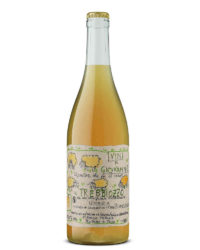
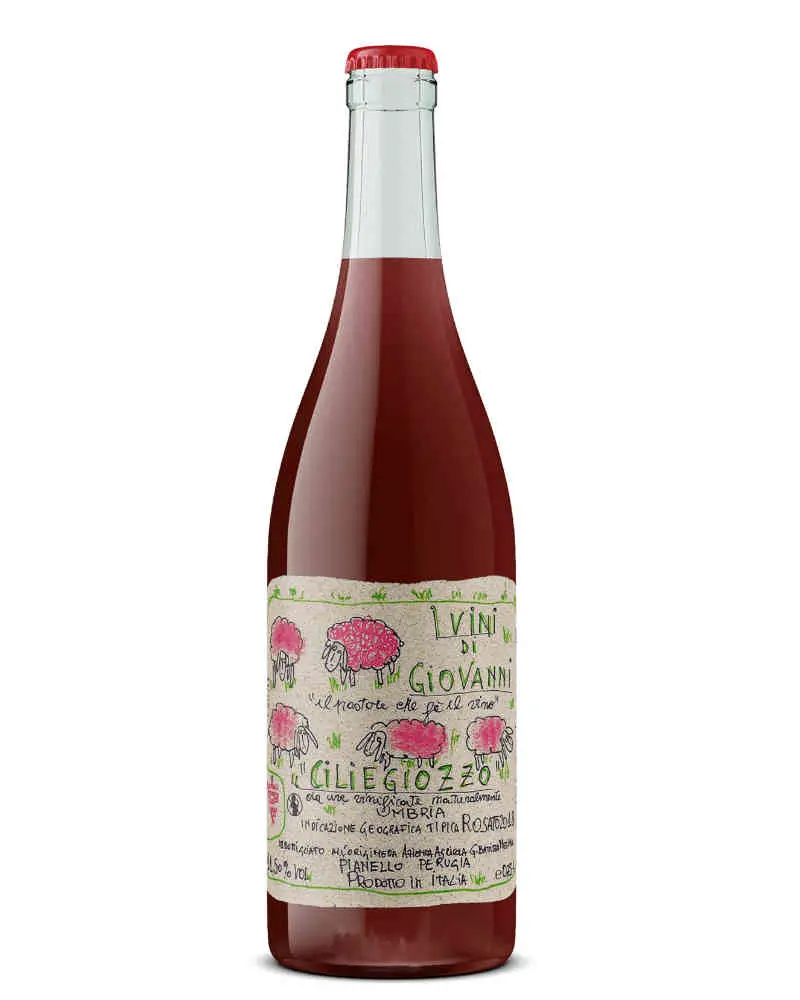
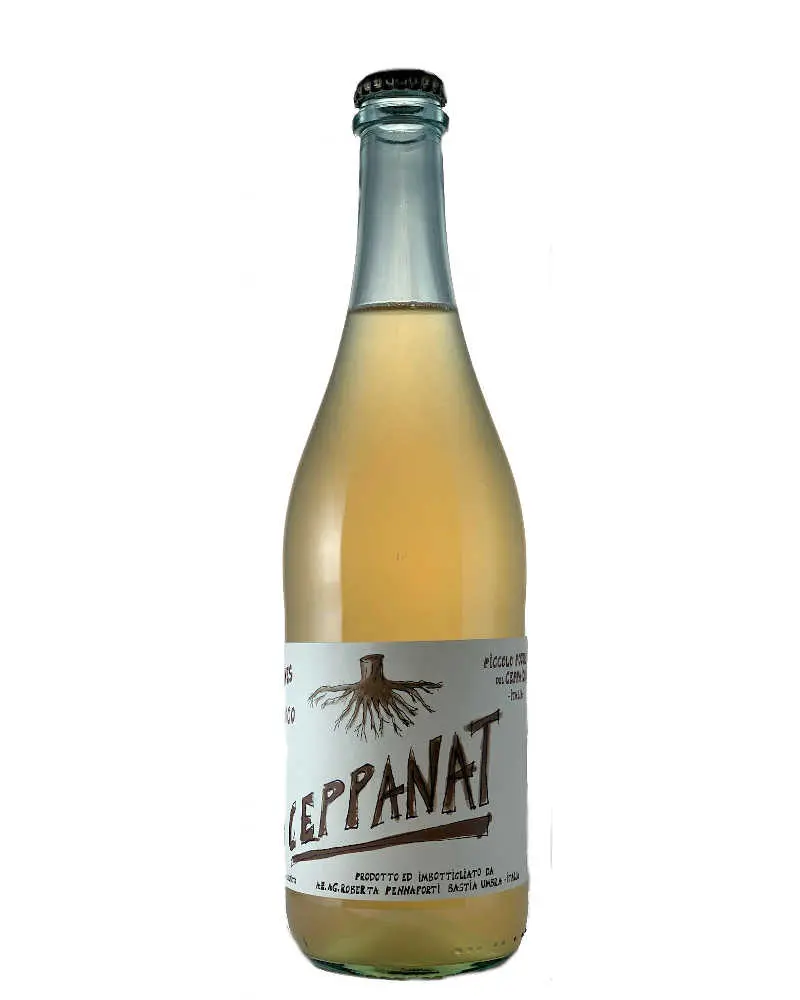
Umbria, known as the “green heart of Italy,” is a region rich in winemaking traditions. Among the most renowned grape varieties are Sangiovese, used to produce structured and complex red wines, and Grechetto, a white grape variety that yields fresh and aromatic wines. Other notable varieties include Sagrantino, famous for its full-bodied and age-worthy wines, and Trebbiano Spoletino, which produces elegant and mineral-driven white wines.
The Terroir of Umbria
The terroir of Umbria is characterized by hilly terrain, with soils rich in clay and limestone, ideal for viticulture. The climate is continental, with hot summers and cold winters, promoting slow grape ripening and giving the wines complexity and depth. The most renowned wine areas include Montefalco, Torgiano, and Orvieto, where the harmony between soil, climate, and grape varieties creates unique and high-quality wines.
Organic, Natural, and Biodynamic Denominations
Umbria is at the forefront of producing organic, natural, and biodynamic wines. Among the main denominations are:
- Montefalco Sagrantino DOCG: A powerful and structured red wine, made exclusively from Sagrantino grapes, often cultivated using organic or biodynamic methods.
- Orvieto DOC: A fresh and aromatic white wine, primarily made from Grechetto and Trebbiano grapes, often grown using sustainable practices.
- Torgiano Rosso Riserva DOCG: An elegant and complex red wine, produced with Sangiovese and other local varieties, often from organic farming.
These wines represent the excellence of Umbrian winemaking, with a strong connection to the territory and a growing focus on environmental sustainability.