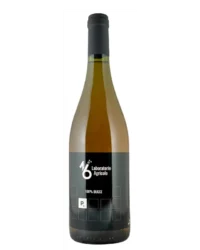
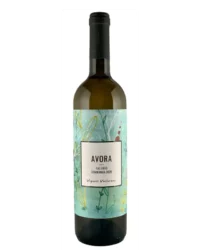
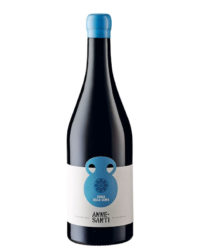
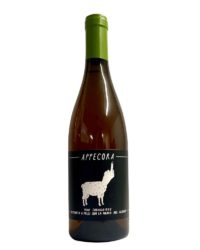
History of Pecorino: From Hilltops to Oblivion, and Back
The Pecorino, a native white grape of central Italy, traces its roots to antiquity. Its name derives not from cheese but from the sheep that once grazed among the vineyards of Marche and Abruzzo, where shepherds snacked on its sweet berries during transhumance. Nearly extinct by the 1900s due to low yields, it was rediscovered in the 1980s by visionary winemakers who championed its elegance and connection to coastal and hill terroirs.
Unique Traits of the Pecorino Grape
- Distinct aromatic profile: Features notes of candied citrus, aromatic herbs, broomflower, and iodized minerality, balanced by vibrant acidity.
- Heroic viticulture: Thrives in windy limestone soils at 300-600 meters, with low yields (50 quintals/ha) that enhance concentration and complexity.
- Natural resilience: Thick skins make it resistant to disease and drought, ideal for organic and biodynamic farming.
Natural, Organic & Biodynamic Farming
Pecorino wines from natural, organic, and biodynamic cultivation highlight terroir purity:
- Natural: Spontaneous fermentations, no added yeasts, aging in terracotta amphorae.
- Organic certified: Fertilization with plant compost, pest control using horsetail and nettle-based preparations.
- Biodynamic: Horn-silica treatments, pruning by lunar cycles, respect for ecological rhythms.
Gourmet Pairings
Pecorino is a versatile, structured wine, perfect with:
- Seafood: Crudo, grilled squid, mussel soups.
- Creative vegetarian dishes: Asparagus risotto, artichoke tarts, semi-aged cheeses like Pecorino Toscano DOP.
- Balanced spice: Wasabi-accented sushi, mild curries, vegetable tajines.
Why Choose Organic Pecorino?
Beyond taste, choosing sustainably farmed Pecorino means:
- Protecting biodiversity: Safeguards ancient at-risk vineyards.
- Reducing environmental impact: Organic practices cut soil erosion by up to 40%.
- An authentic experience: Each sip reflects a non-standardized terroir, free from industrial practices.