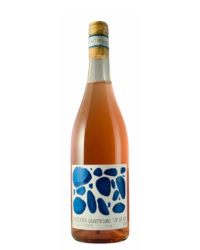
History & Origins of Rondinella
Native to Veneto, Rondinella appears in historical documents dating back to the 14th century. Its name derives from the swallow-wing shape of its leaves. Traditionally cultivated in Valpolicella and Veronese hills, today it’s processed using organic and biodynamic methods that enhance its terroir expression.
Features of Organic & Biodynamic Rondinella
🏞️ Sustainable Viticulture
- Natural resistance to fungal diseases
- Heroic viticulture on basaltic soils
- Demeter and EU Organic certifications
🍇 Winemaking Characteristics
- Compact clusters with thick skins
- Dominant notes of wild cherry and aromatic herbs
- Silky tannins and vibrant acidity
Gourmet Pairings with Rondinella Wines
Wines made from naturally farmed Rondinella pair excellently with:
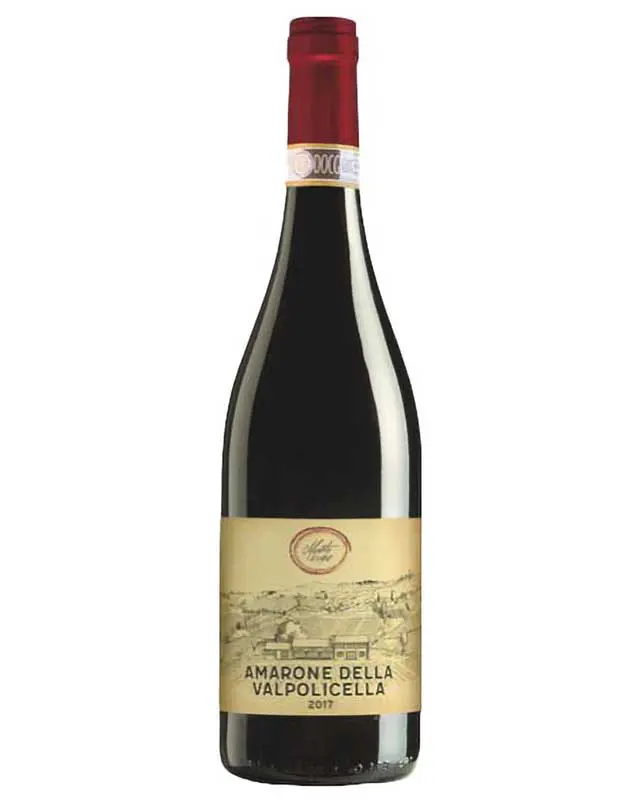
- Classic Red: Amarone risotto, polenta and ossobuco
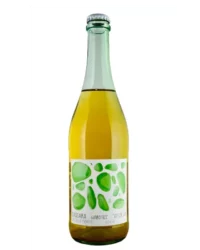
- Skin-Contact Version: Aged cheeses like Monte Veronese DOP
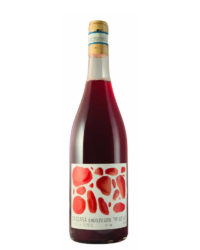
- Biodynamic Rosé: Adriatic fish crudo
Frequently Asked Questions About Rondinella
Why Choose Organic Rondinella?
Organic versions preserve the authentic flavors of Veneto terroir while eliminating chemical residues and respecting volcanic soil biodiversity.
How Long Can Rondinella Wine Age?
Thanks to its tannic structure, Ripasso and Amarone versions reach peak complexity after 8-12 years of aging.