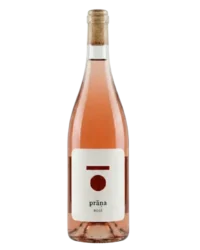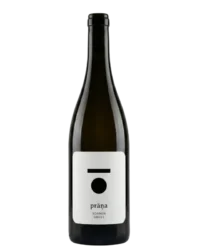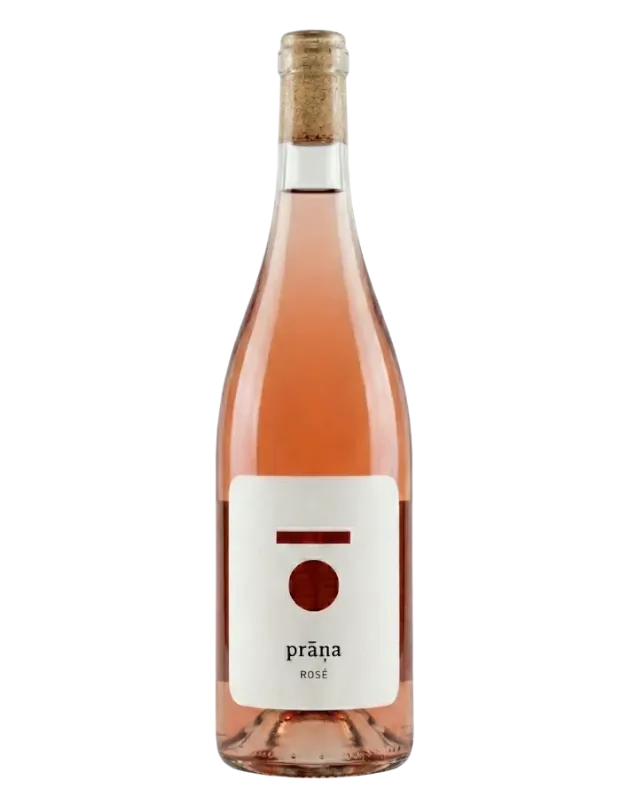
Its structure is subtle yet decisive, with a vibrant freshness that tells the story of Prana’s “minimal intervention” philosophy. A wine that doesn’t seek to please, but to move through its transparency and invigorating energy.
| Serving Temperature | 10° – 12° C |
|---|---|
| Vineyard Origin | Rheingau, Germany (Landwein) |
| Vinification | Manual harvest, direct whole-cluster pressing. Spontaneous fermentation in steel. |
| Aging | 8 months on total lees in steel. Unfiltered, unfined. |
Tasting Notes
- Nose: Highly layered and complex. Notes of ripe berries and small red fruits intertwine with a refined herbaceous and spicy texture, typical of resistant grape varieties (PIWI).
- Palate: The palate is tense, dry, and deeply refreshing. The sharp acidity (6.8 g/l) is accompanied by subtle, silky tannins that provide structure, closing on a clean, savory, and incredibly inviting finish.
Recommended Pairings
Its pronounced acidity and light tannic structure make it perfect for dishes that require “cleansing” the palate: artisanal cured meats, beef tartare, grilled salmon, or spicy North African dishes (vegetable couscous). It is also surprising with a Pizza Margherita with buffalo mozzarella.
Why Choose It
For those seeking a “substantial” rosé. If you love natural wines that proudly show their slight cloudiness and aromatic vivacity, this blend of Pinot Noir and Cabernet Cortis is an unmissable discovery. It is proof that rosé can be a serious, deep, and, above all, extremely fun-to-drink wine.